Eviction Notice Form
An Eviction Notice is an official legal document that landlords use to notify a tenant to vacate a rented property. This is an important step that initiates the eviction process, with a written notice before legal action.
About This Document
This form gives formal notice to a tenant to vacate a rental premise for some reason. It could be for non-payment, breach of lease agreement, or other reasons. Our templates help landlords warn tenants in writing and avoid unnecessary legal tussles.
What Is an Eviction Notice?
An Eviction Notice is the initial step a landlord takes to legally remove a tenant from their property. It is a written document that notifies the tenant of a breach of the lease agreement or the tenancy’s termination. Then, it can give the tenant a certain period of time, after which the tenant must either fix the breach, where appropriate.
In other situations, it gives the tenant time to move out of the premises. This notice is mandatory before a landlord can file an eviction lawsuit in court.
"What does an Eviction Notice look like?" is a question both landlords and tenants need to understand. It is usually a formal letter that includes the reason for the notice and the address of the property. Other details include the name of the tenant, the date, and the deadline for the tenant to take action.
Generally, it has to comply with legal requirements that change depending on the state and local laws. If the notice is improperly filled or served, it may cause a delay in the eviction process or make it invalid. Thus, a quality printable Eviction Notice template is needed.
Download an Eviction Notice Form
If your tenant's lease expires and they don't move out, then you may need an Eviction Notice. You can clearly inform a tenant that they need to vacate using an Eviction Notice. This ensures compliance with state and local landlord-tenant laws.
With our printable Eviction Notice template, you can have your document ready in minutes. Quickly create and download your notice for proper delivery.
Eviction Notice Types
An Eviction Notice can have various types depending on what you need. Some common examples include:
- Pay or Quit Notice
- Cure or Quit Notice
- Unconditional Quit Notice
- Notice to Terminate Tenancy (Without Cause)
How to Use a Printable Eviction Notice
Landlords serve Eviction Notices for many reasons. Mainly, it’s when the tenant has not fulfilled their end of the bargain as stated in the lease contract or by the state. It is important that landlords understand these common grounds:
- Non-Payment of Rent
This is a common cause for issuing an Eviction Notice. It’s when a tenant does not pay rent on or within any grace period allowed in the lease agreement. Then, a landlord may serve a "Pay or Quit" notice. This notice requires the payment of the outstanding rent or vacation of the premises within a timeframe. It is a clear legal step when financial obligations are not met. - Lease Violations
Tenants are bound by the terms and conditions of their rental lease agreement. The agreement may have things like additional occupants or pets, and too much noise is not allowed. A violation can include any damage to the property that goes beyond normal wear and tear. - Illegal Activity
If a tenant commits an illegal act on the rental premises, landlords can serve an unconditional quit notice. This usually involves activities like producing drugs, prostitution, or other crimes. Due to the seriousness of such violations, landlords don’t have an opportunity to remedy the situation. Then, the eviction process can be faster, but laws vary by jurisdiction. - Expiration of Lease Term / Non-Renewal
A Notice to Terminate Tenancy is served when a fixed-term lease expires and the landlord has no interest in renewing it. It may also be used if the property is on a month-to-month agreement. This is a notice that is used to notify the tenant that his/her lease is not going to be renewed. Then, they have to move out by a particular date. The notice is usually issued 30 or 60 days before the date, depending on the state law. It is a “no-fault” eviction, and the tenant does not need to have breached the lease. - Substantial Damage to Property
In some situations, a tenant causes serious and deliberate destruction of the rented premises. Once it’s beyond wear and tear, Eviction Notices can be served. Depending on how severe the damage is and the state legislation, this may be a "Cure or Quit notice." That’s if the damage can be fixed by the tenant within a given period. It may also be an "Unconditional Quit Notice" where the damage is either irreparable or done maliciously. This is where documentation in the form of photos and reports is necessary.
Why Do You Need an Eviction Notice?
An Eviction Notice is important to both the landlord and the tenant for different reasons. To the landlords, this is a non-negotiable legal requirement to start the eviction process. Any effort to evict a tenant through the law without following the right procedure may be dismissed by the court.
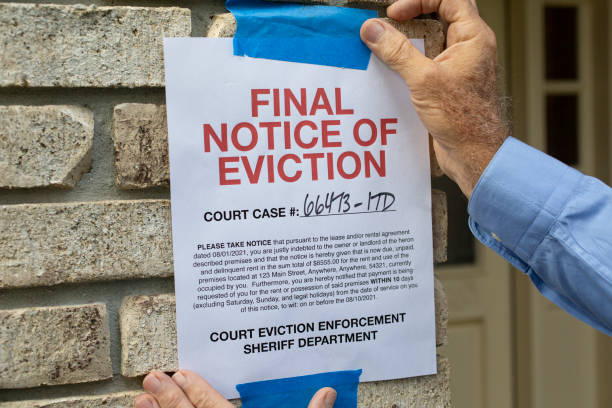
It also guarantees that the landlord goes through due process. This cushions them against allegations of unlawful eviction or harassment. It is also a formal record that the landlord tried to settle the matter before going to court.
To tenants, an Eviction Notice is a serious warning. It gives formal notice of an issue and, in some cases, a chance to fix the situation before being sued. For example, they should pay rent that is overdue or correct a breach of the lease.
It also clearly states the period within which they must comply or vacate. This gives them time to prepare in case they need to get new accommodation. Notice is a basic protection of the rights of tenants as they’re informed and given a chance to respond.
Other Questions
What Does an Eviction Notice Template Look Like?
To be considered valid and effective, an Eviction Notice template should contain certain information that is specified by the law. Failure to include any of these elements may result in a delay or dismissal of an eviction case in court.
- Landlord & Tenant Information
- Property Address
- Reason for Eviction.
- Cure or Quit Option
- Notice Period & Deadline
- Intent to Sue
- Date of Notice & Landlord's Signature
- Certificate of Service
What Are the Types of Eviction Notices?
There are different types of Eviction Notices depending on the situation. An important step in eviction is to choose the right notice. They are:
Pay or Quit Notice
This is the most common type of notice and is used when a tenant doesn’t pay their rent on time. It informs the tenant that they have a certain number of days to do one of two things. It could be to pay fully ("pay") or move out (“quit”).
The specified period could be 3, 5, or 7 days, depending on state law. When the tenant pays on time, the tenancy can continue. If they don’t pay or move out, the landlord can file an eviction lawsuit.
Cure or Quit Notice
A cure or quit notice is used when a tenant breaches a particular term of the tenancy agreement. This term has to be something other than failure to pay rent. Examples of curable violations are keeping an unauthorized pet, too many noise complaints, or damage to the property.
This notice specifies a period of time, such as 10, 14, or 30 days, for the tenant to take action. They can either "cure" (fix) the violation or "quit" (move out). If the tenant fixes the problem within the timeframe, the lease remains in effect.
Unconditional Quit Notice
The most severe form is the unconditional quit notice. It requires the tenant to move out of the premises on a certain date. This doesn’t allow them to fix a breach or pay the past-due rent.
This notice is generally used in case of serious lease violations that are considered incurable or extreme, like:
- Habitual violation of the lease.
- Engaging in illegal activity within the premises.
- Causing serious damage to the property.
- "Holding over" after the expiry of a lease without consent.
The notice period for an unconditional quit notice can vary, but is often shorter, for example. 3 to 7 days. This is due to the seriousness of the violation.
Notice to Terminate Tenancy (Without Cause)
This type terminates a month-to-month tenancy or a lease with an expired term. It is used where the landlord just wants to gain back possession of the premises. They do not allege a breach of the lease.
Landlords are required to give a certain notice period, which is usually 30 days or 60 days. It depends on state law and the length of the tenancy. The notice is commonly known as a "Notice of Non-renewal" or “Notice to Vacate.”

State Resources and Links
|
S/N |
State |
Resource |
|
1. |
Alabama |
Complaint / Statement of Claim (Form C-59) |
|
2. |
Alaska |
|
|
3. |
Arizona |
|
|
4. |
Arkansas |
|
|
5. |
California |
|
|
6. |
Colorado |
|
|
7. |
Connecticut |
|
|
8. |
Delaware |
|
|
9. |
Florida |
|
|
10. |
Georgia |
|
|
11. |
Hawaii |
|
|
12. |
Idaho |
|
|
13. |
Illinois |
|
|
14. |
Indiana |
|
|
15. |
Iowa |
|
|
16. |
Kansas |
|
|
17. |
Kentucky |
|
|
18. |
Louisiana |
|
|
19. |
Maine |
|
|
20. |
Maryland |
|
|
21. |
Massachusetts |
|
|
22. |
Michigan |
|
|
23. |
Minnesota |
|
|
24. |
Mississippi |
|
|
25. |
Missouri |
|
|
26. |
Montana |
|
|
27. |
Nebraska |
|
|
28. |
Nevada |
Landlord’s Declaration for Summary Eviction for Non-Payment of Rent |
|
29. |
New Hampshire |
|
|
30. |
New Jersey |
|
|
31. |
New Mexico |
3-Day Notice for Non-Payment of Rent( Form 4-901) |
|
32. |
New York |
Landlord Non-Payment Eviction Petition & Written Rent Demand Program |
|
33. |
North Carolina |
|
|
34. |
North Dakota |
|
|
35. |
Ohio |
|
|
36. |
Oklahoma |
|
|
37. |
Oregon |
|
|
38. |
Pennsylvania |
|
|
39. |
Rhode Island |
|
|
40. |
South Carolina |
|
|
41. |
South Dakota |
South Dakota Unified Judicial System – Checklist for Eviction Action |
|
42. |
Tennessee |
|
|
43. |
Texas |
|
|
44. |
Utah |
|
|
45. |
Vermont |
|
|
46. |
Virginia |
|
|
47. |
Washington |
14-Day Notice to Pay or Vacate (RCW 59.18.057) |
|
48. |
West Virginia |
|
|
49. |
Wisconsin |
|
|
50. |
Wyoming |
How To Complete an Eviction Notice Template in 5 Easy Steps
Creating a compliant Eviction Notice may be rather complex because of the differences in state legislation. LegalDocs makes it easy for you.
- Choose Your Eviction Notice Template
First, choose the right template from our user-friendly library. We have different templates depending on the reason for eviction. It can be non-payment of rent, breach of lease, or non-renewal of tenancy. Our system will help you choose the right form, depending on your circumstances. - Input Your Specific Details
Our online questionnaire is easy to use and will guide you through providing the necessary information. This includes details about the landlord, tenant(s), and address of the property. It also includes the reason for eviction and the required notice period. - Review and Customize Your Document
After your information has been submitted, LegalDocs will produce your personalized document. Then, you will be able to review the document carefully to ensure the details are correct. You can check to make sure it suits your particular situation and local laws. Before finalizing, you can then make any necessary adjustments. - Download Your Document
When you are done reviewing the document, your full PDF or Word file will be immediately ready to download. You may then print this out and get ready for service. - Serve Your Eviction Notice
Ensure the notice is served to the tenant appropriately. Ensure to do this in line with the laws of your state, such as personal delivery or certified mail. This simplified procedure gives you a professional and legally sound document that you can use immediately.
To prepare the notice, you should begin by stating all the parties and the address of the property. State the reason why the eviction is taking place, e.g., "because of non-payment of October rent." Note the precise sum due or lease provision breached.
If you get a pay or quit notice because of non-payment of rent, this can apply. You usually have a certain period to pay the total amount of past due rent and any late charges. When you pay during this time, the tenancy usually continues.
The time you have upon getting an Eviction Notice depends on the reason for the eviction and the legislation. It may be as short as 3, 5, or 7 days for non-payment of rent or curable lease violations. It is usually 30 or 60 days for terminating a month-to-month tenancy with no reason required.
In Texas, an Eviction Notice has a notice period of generally 3 days for most reasons. This could be due to non-payment of rent or lease violations. In the case of a month-to-month tenancy, 30 days' notice to vacate might be necessary.
Generally, your landlord can’t evict you without a reason if you have a fixed-term lease still in effect. They have to show a lease violation or some other legally allowed grounds. When you hold a month-to-month tenancy or your fixed-term tenancy has ended, it’s different.
No, you must never ignore an Eviction Notice. Ignoring it will probably result in the landlord filing an eviction lawsuit in court. Should you lose to the landlord in court, a sheriff or marshal may physically remove you from the premises.